

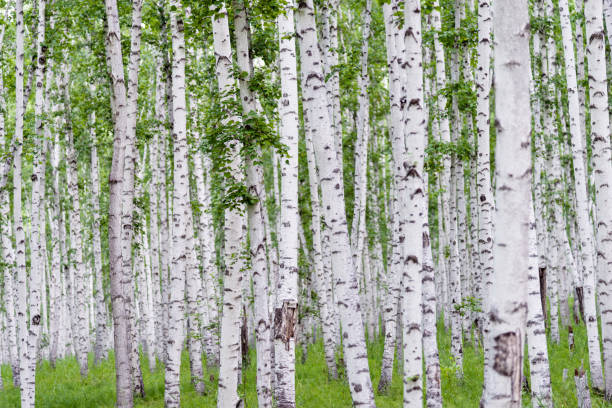
Birch trees Michigan landscapes are known for are among the most attractive and recognizable trees in the region. With their striking white or golden bark, graceful branches, and seasonal color changes, birch trees add year-round beauty to residential yards and natural areas. Homeowners in Michigan often choose them for shade, curb appeal, and their ability to thrive in cooler climates when properly cared for.
Understanding how to plant and maintain birch trees Michigan conditions support is essential because these trees, while beautiful, can be sensitive to soil, moisture, and pests.
Why Birch Trees Are Popular in Michigan
Birch trees are widely appreciated across Michigan because they offer both ornamental value and ecological benefits. Their peeling bark creates visual interest even in winter when most trees are bare. In spring and summer, their bright green leaves provide refreshing shade, while in fall they turn a warm yellow tone that enhances seasonal landscapes.
Michigan’s climate, especially in northern and cooler regions, is generally suitable for birch trees, making them a common choice in home landscaping.
Common Types of Birch Trees in Michigan
Several species thrive or are commonly planted in the state:
Paper Birch
One of the most iconic species, paper birch is known for its bright white, peeling bark and fast growth. It is often found in natural forests and residential yards.
Yellow Birch
This variety grows taller and lives longer than many other birch types. It prefers cool, moist environments and is commonly found in wooded areas.
River Birch
More tolerant of heat and soil variations, river birch is often used in landscaping for its durability and resistance to some pests.
Ideal Growing Conditions
To successfully grow birch trees Michigan homeowners should pay close attention to environmental conditions:
- Sunlight: Full sun to partial shade
- Soil: Moist, slightly acidic, and well-drained soil
- Watering: Consistent moisture is essential, especially during dry summers
- Spacing: Proper spacing helps prevent disease and root competition
Birch trees are sensitive to drought stress, so maintaining soil moisture is one of the most important factors in long-term health.
Planting Tips for Healthy Growth
When planting birch trees, timing and placement matter. Early spring or fall is ideal for planting, as cooler temperatures help roots establish before extreme heat or cold.
Key planting tips include:
- Avoid planting too deeply; root flare should remain visible
- Use mulch to retain moisture and regulate soil temperature
- Keep grass and weeds away from the base to reduce competition
- Water regularly during the first few years
Proper planting sets the foundation for a strong, healthy tree.
Common Problems and Pests
While birch trees are beautiful, they are also prone to certain issues in Michigan:
Bronze Birch Borer
This is one of the most serious threats, especially for stressed or weakened trees. It can cause dieback in branches and eventually kill the tree if untreated.
Leaf Miners
These insects create visible trails in leaves, making the tree look unhealthy even if damage is not always fatal.
Environmental Stress
Hot, dry summers or poor soil conditions can weaken birch trees and make them more vulnerable to disease.
Regular monitoring and proper care are essential to reduce these risks.
Maintenance and Care Tips
Maintaining birch trees Michigan landscapes rely on requires consistent attention:
- Water deeply during dry periods
- Apply mulch to conserve soil moisture
- Prune only when necessary, preferably in late fall or winter
- Avoid heavy fertilization unless soil is nutrient-deficient
- Inspect regularly for pests or bark damage
Healthy trees are far more resistant to pests and environmental stress.
Landscape Benefits of Birch Trees
Birch trees are not just decorative; they also provide several functional benefits:
- Natural shade for homes and gardens
- Habitat for birds and wildlife
- Improved air quality
- Strong visual appeal in all seasons
Their elegant structure makes them a focal point in many Michigan landscapes.
Conclusion
Birch trees Michigan homeowners plant can thrive beautifully when given proper care, attention, and the right environment. From selecting the right species to managing pests and maintaining soil health, every step plays a role in long-term success. For professional guidance, maintenance, or tree care services, long tree provides expert support to help keep your birch trees healthy and strong for years to come.