

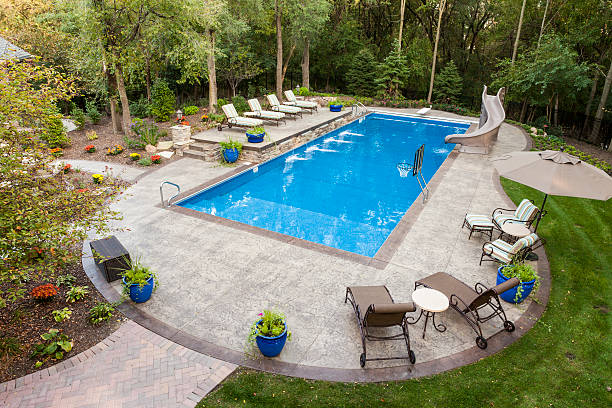
Choosing the best pool deck material is one of the most important decisions when designing or renovating a swimming pool area. The right material not only enhances beauty but also ensures safety, durability, and comfort for years. A well-planned pool deck can completely transform your outdoor space into a relaxing and stylish environment.
When selecting a pool deck surface, homeowners should consider key factors such as heat resistance, slip safety, maintenance needs, and long-term durability. Different materials offer different benefits, so understanding them helps you make the right choice for your lifestyle and budget.
Concrete Pool Decks
Concrete is one of the most widely used options for pool decks. It is affordable, durable, and highly customizable. You can choose stamped, brushed, or colored finishes to match your outdoor design. Many homeowners prefer concrete because it is strong and suitable for large areas.
However, concrete can develop cracks over time and may become hot under direct sunlight. Despite this, it remains a practical and budget-friendly option for many homes.
Natural Stone Pool Decks
Natural stone is considered a premium choice for pool areas. Materials like travertine, limestone, and slate offer a luxurious and natural appearance. Stone also provides good slip resistance, making it a safe option around wet areas.
On the downside, natural stone can be expensive and requires professional installation. It may also need sealing to maintain its appearance and durability over time.
Pavers for Pool Decks
Pavers are another excellent option when looking for the best pool deck material. They come in many shapes, colors, and textures, allowing for creative design flexibility. If a paver gets damaged, it can be replaced individually without redoing the entire deck.
Pavers are also known for their durability and slip-resistant surface, making them ideal for family-friendly pool areas. Their only drawback is that installation can be more costly than basic concrete.
Wood and Composite Decking
Wood provides a warm and natural look that blends beautifully with outdoor environments. It is comfortable underfoot and visually appealing. However, wood requires regular maintenance, including sealing and cleaning, to prevent water damage and splintering.
Composite decking is a modern alternative that offers the look of wood with less maintenance. It is more resistant to moisture and long-term wear, making it a popular choice in modern pool designs.
Tile Pool Decks
Tiles are often used for luxury pool designs due to their smooth and elegant finish. They offer a wide variety of design options and can create a very polished look. However, poor-quality tiles can become slippery, so choosing slip-resistant options is important.
Tile decks also require proper installation to avoid cracking or grout damage over time.
Choosing the Right Option
When deciding on the best material, always consider your climate, budget, and maintenance preference. Hot climates may require cooler surfaces like stone or light-colored pavers, while low-maintenance homeowners may prefer composite decking or stamped concrete.
The right choice balances both function and design, ensuring your pool area remains safe and visually appealing.
Conclusion
Selecting the right pool deck material is essential for building a safe, durable, and attractive outdoor space. Whether you choose concrete, stone, pavers, wood, or tile, each option has its own advantages based on your needs.
For professional guidance and quality installation, pup paver sinc helps homeowners design and build durable pool decks that combine beauty, safety, and long-lasting performance.